
Dryer Vent Cleaning
The shortest duct in your house and the one most likely to start a fire. We clean the full run to bare metal, verify airflow at the hood, and show you the lint we took out.
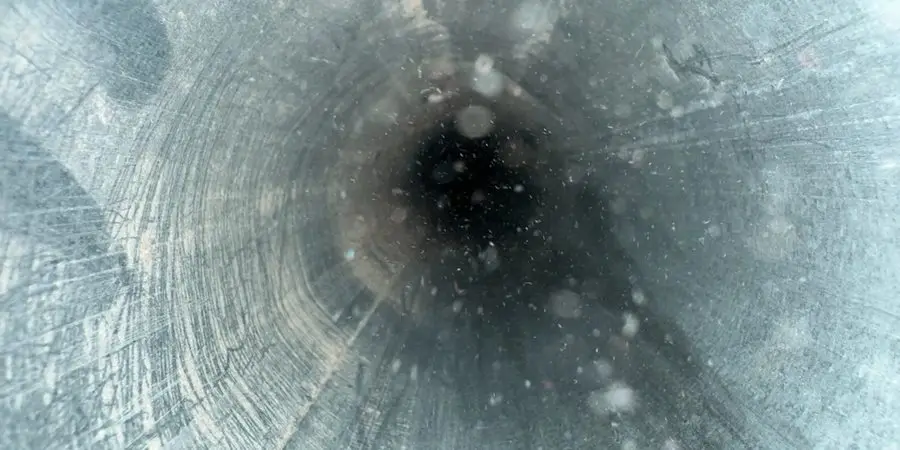
A small duct with an outsized risk
A clothes dryer works by moving a large volume of hot air through wet fabric and pushing the moisture outside. Lint escapes the machine screen on every cycle, and in a duct run with bends, crushed sections or a long path to the exterior, it settles and accumulates. As the passage narrows the dryer runs longer and hotter to do the same work — which produces more lint, less airflow and a rising surface temperature around highly combustible material.
US fire data has been consistent for years: roughly fifteen thousand home fires a year involve clothes dryers, and failure to clean is the leading contributing factor by a wide margin. This is not an obscure hazard, and it is one of the least expensive ones to eliminate.
It is also a repair-cost issue. Restricted venting is one of the most common reasons a dryer overheats, trips a thermal fuse, or fails prematurely — a service call for a machine that was never broken in the first place.
What the service includes
- The full duct run cleaned — from the machine connection to the exterior termination, not just the first accessible metre.
- Rotary brushing with vacuum recovery, so lint is captured rather than pushed further into the run or blown into the room.
- Transition duct inspected and cleaned or replaced, and flexible foil or plastic transition material flagged for replacement with rigid or semi-rigid metal.
- Exterior hood and damper cleaned and checked for free movement — a stuck flapper defeats a clean duct.
- Bird and pest screening or nesting removed, with entry points reported.
- Airflow verified at the exterior hood after cleaning, so the result is measured rather than assumed.
- Crushed, kinked, disconnected or over-long runs identified, with the code issue explained and a repair quoted separately.
- Behind-the-machine area vacuumed and the connection re-sealed with clamps, not tape.
- Before and after photographs of the duct interior and the lint removed.
What you get back besides safety
Drying time is the immediate one. A restricted vent can easily double the cycles required for a normal load, and the difference after cleaning is usually obvious on the first wash. That is energy, and on a family-sized laundry load it adds up quietly across a year.
The second is equipment life. Dryers are designed around an expected static pressure in the vent. Push that up with lint and distance and the machine runs hotter, cycles its thermal protection, and works its heating element and motor harder than intended. Keeping the run clear is the cheapest maintenance available for an appliance most people replace before they service.
The third is moisture. A vent that leaks or terminates in a crawlspace, attic or garage instead of outdoors dumps warm, humid air into the building — which is how laundry rooms grow mould at the ceiling line. If we find that, we will tell you, photograph it, and quote correcting the termination.
Signs you need this service
- Laundry takes two cycles to dry, or comes out warm and still damp
- The laundry room becomes hot and humid while the dryer runs
- A burning or hot-lint smell during or after a cycle
- The exterior hood flapper barely moves, or you feel little air outside while the dryer runs
- Visible lint around the hood, behind the machine, or at the connection
- The dryer keeps shutting off mid-cycle or has needed a thermal fuse replaced
- A long duct run, several bends, or flexible foil transition duct behind the machine
- It has been more than a year, or you have never had it done
Clean the whole run, then prove the airflow.
A vent is only as clean as its worst section — which is why we work the full length and measure the result at the outside hood.
Inspect
We locate the full route, measure developed length and bends, check the transition duct and the exterior hood, and note anything that is a code or safety issue before starting.
Clean
Rotary brushing with vacuum recovery runs the entire duct, the transition is cleaned or replaced, the hood and damper are cleared, and any nesting or debris is removed and shown to you.
Verify
The dryer is run and airflow is checked at the exterior termination. The machine connection is re-clamped, the area behind it vacuumed, and the appliance pushed back into place.
Report
You receive photographs of the duct interior and the lint recovered, plus a written note of anything that needs repair — a crushed section, a foil transition, an interior termination — with a separate quote.
Dryer Vent Cleaning: common questions
Straight answers, no pressure. Call us if yours is not here.
Once a year is the sensible default for a family household. Sooner if you have a long or bendy duct run, a large household, pets that shed, or you have noticed drying times creeping up. Rentals and homes with unknown history should be inspected on day one.
You can clear the first accessible section, and that is better than nothing. What the kits do not do is reach a long run with multiple bends, capture the lint under vacuum, or measure airflow at the hood to confirm the restriction is actually gone — and they will not identify a crushed section inside a wall.
A true ventless condensing dryer has no duct to clean, but it does have a condenser and filters that need regular servicing. If you have a vented model of any kind — gas or electric — the duct still needs cleaning, and gas dryers add a combustion-safety reason to keep it clear.
Long, buried and roof-terminated runs are exactly the ones that need professional equipment. We work from both ends where required, and if a run is genuinely inaccessible or exceeds allowable length, we will document it and quote a re-route rather than pretend it is clean.