
Chimney Repair
Crown, cap, flashing, joints and liner — the five places a chimney actually fails. We photograph the cause, fix it in the right order, and stop the water that started it.
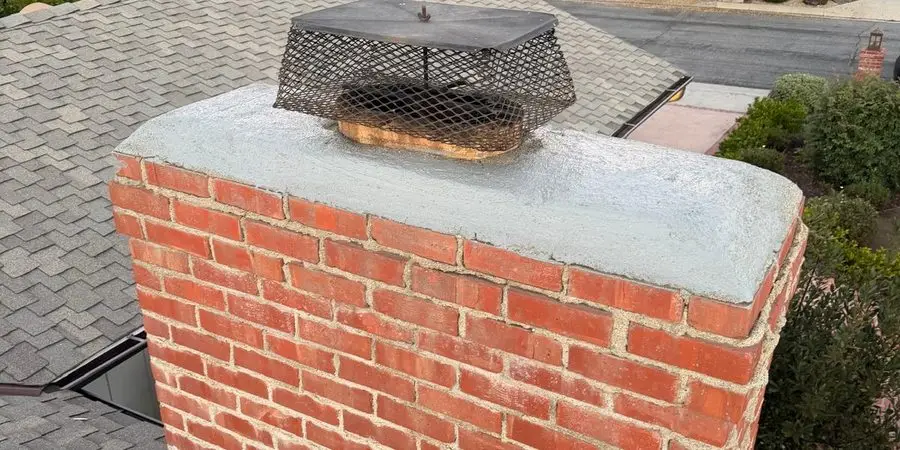
Almost every chimney problem begins as a water problem
A chimney is the only part of your house that is masonry, exposed on all sides, and open at the top. Water gets in through a cracked crown, an absent or undersized cap, failed flashing where the stack meets the roof, or open mortar joints — and once inside, it does the rest of the damage on its own: spalling brick, rusted dampers and firebox components, deteriorating mortar, staining on interior walls and ceilings, and clay flue tiles that crack as they take on moisture and heat cycles.
This is why our diagnosis starts at the top and works down, and why we photograph what we find. A stain on a bedroom ceiling next to the chimney chase is not a mystery to be sealed over; it is a symptom with a location, and the fix belongs at the source, not in the room.
Damage from fire and movement matters too. A chimney fire, or the settlement and seismic movement common in Southern California, can crack tiles and open joints inside the flue where nothing is visible from the hearth. That is what the camera is for.
What the service includes
- Full photographic diagnosis from the crown down: cap, crown, flashing, exterior masonry, flue interior, smoke chamber, damper and firebox.
- Crown repair or rebuild — the concrete wash at the top of the chimney that sheds water away from the flue and the brickwork.
- Chimney cap supply and installation, correctly sized, with spark screen, to keep rain, debris and animals out of the flue.
- Flashing repair and re-sealing where the chimney passes through the roof, the single most common source of interior water staining.
- Tuckpointing and mortar joint repair, matched to the existing masonry rather than smeared over it.
- Spalled and damaged brick replacement where face material has failed.
- Firebox repair — refractory panel and firebrick replacement, damaged mortar joints re-laid with refractory mortar.
- Damper repair or replacement, including top-sealing damper options that also shut out weather.
- Flue liner assessment, with cracked clay tile and unlined flue options explained, including stainless steel relining.
- Water repellent treatment on sound masonry where appropriate — vapour-permeable products only, never a film that traps moisture inside the brick.
Why the order of repairs matters
Fixing masonry before stopping the water is how repairs fail twice. Repointed joints and replaced brick will deteriorate again on the same schedule if the crown is still cracked and the cap is still missing. So the sequence is water control first — cap, crown, flashing — then structure, then cosmetics. If a quote you have received puts those in the other order, ask why.
The other reason to take chimney repair seriously is that the flue is a safety component. Its job is to contain combustion products and keep heat away from the wood framing that runs within inches of it. Cracked tiles, gaps at joints and deteriorated mortar inside the flue compromise that containment, which is a carbon monoxide question and a fire question at the same time — and it is invisible from the living room.
We are also willing to tell you when a chimney does not need work at all, or when the honest recommendation is decommissioning an unused flue properly instead of rebuilding something you will never burn in.
Signs you need this service
- Water stains on the ceiling or wall next to the chimney, or damp masonry inside the attic chase
- White chalky deposits (efflorescence) or crumbling, flaking brick faces
- Mortar you can scratch out with a screwdriver, or visibly open joints
- Cracks in the concrete crown at the top of the stack, or no crown at all
- No cap on the flue, a bent or rusted cap, or animals and debris getting in
- Rusted damper or firebox components, or rust staining on the hearth
- Pieces of clay tile or mortar found in the firebox — a classic sign of interior flue damage
- A chimney fire in the past, or a leaning, separating or visibly out-of-plumb stack
Diagnose the cause, repair in the right order.
Water control first, structure second, finish last — the only sequence that does not have you paying for the same repair twice.
Diagnose
We inspect from the roof and from inside, with a camera in the flue, and photograph every defect. You receive a written, itemized quote that separates safety-critical work from what can reasonably wait.
Stop the water
Crown repaired or rebuilt, correctly sized cap fitted, flashing repaired and sealed. This comes first on almost every chimney we are called to, because it is what is driving the rest of the damage.
Repair the structure
Mortar joints repointed with matched mortar, spalled brick replaced, firebox refractory and damper components repaired, liner repaired or relined where the inspection calls for it.
Protect and verify
Sound masonry treated with a vapour-permeable repellent where appropriate, draft and damper function re-checked, and photographs of the completed work delivered with the written guarantee.
Chimney Repair: common questions
Straight answers, no pressure. Call us if yours is not here.
Usually, and usually the flashing or the crown rather than the brick itself. Sealing the ceiling does nothing. We locate the entry point on the roof, photograph it, and quote the repair at the source.
Full rebuilds are the exception, not the norm. Most chimneys we see need water control and targeted masonry repair. A rebuild becomes the honest answer when the stack is structurally unstable, leaning, or deteriorated through its thickness — and in that case we will show you the photographs that make the case.
A stainless steel liner is installed inside the existing masonry flue, insulated as required, and sized to the appliance it serves. It is the standard remedy for cracked clay tile, unlined flues, or when the flue size no longer matches a new appliance. We explain sizing and options before quoting.
If we find a safety defect in the flue, we will tell you clearly not to burn until it is corrected, and why. If the issue is exterior masonry or cosmetic, burning is usually fine in the interim. You will never have to guess which situation you are in.